

Low parathyroid hormone · Low calcium · After thyroid surgery
Hypoparathyroidism, kept in balance.
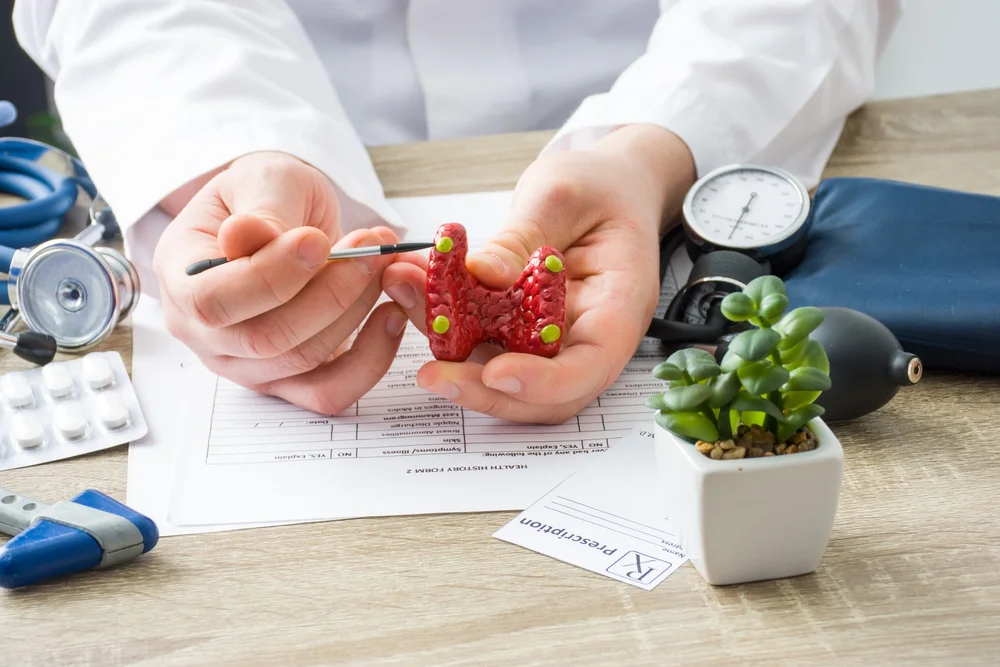
Hypoparathyroidism is the loss of parathyroid hormone, most often after thyroid or neck surgery, and sometimes from autoimmune or genetic causes. Without PTH, calcium falls and phosphorus rises, bringing tingling, cramps and fatigue. It is a rare condition that requires specialist management: enough calcium to feel well, but not so much that the kidneys pay the price. Dr. Hasan is experienced in managing it.
Causes and symptoms
About 75 percent of cases follow neck surgery, when the tiny parathyroid glands are removed or lose their blood supply. Transient low calcium after thyroidectomy is common and usually recovers within weeks; hypoparathyroidism is considered permanent after 6 to 12 months. Other causes include autoimmune disease (alone or as part of autoimmune polyglandular syndrome type 1), radiation, infiltrative disorders, severe magnesium deficiency and genetic conditions such as DiGeorge syndrome.
Signs of low calcium
- 1Tingling and numbness around the mouth
- 2Tingling fingertips; hand and foot cramps or spasms (tetany)
- 3Brain fog, fatigue, anxiety, low mood; seizures if severe
- 4Palpitations; prolonged QT on ECG
- 5Prior thyroid or neck surgery scar; voice or throat spasm if severe
- 6Long-term: kidney stones and calcium deposits from over-treatment
- 7Cataracts and calcium deposits in the brain over decades
Symptoms depend on how fast calcium falls as much as how low it goes. Chronic mild hypocalcemia can be surprisingly quiet.
Treatment
Conventional treatment uses calcium and active vitamin D rather than PTH itself. The goal set by the 2022 international guidelines is a calcium in the low-normal range, with phosphorus normal, urine calcium not excessive and symptoms controlled.
- Calcium carbonate or citrate, 1 to 2 grams of elemental calcium a day in divided doses; citrate is preferred with acid-reducing medications or after bariatric surgery.
- Calcitriol (active vitamin D), 0.25 to 2 mcg a day, because without PTH the kidney cannot activate ordinary vitamin D efficiently. Regular vitamin D is also kept replete.
- Thiazide diuretics and a lower-salt diet to reduce urinary calcium losses and protect the kidneys.
- Magnesium correction when low, since low magnesium blocks PTH action and release.
- PTH replacement: palopegteriparatide (Yorvipath), approved in 2024, is a once-daily PTH replacement that normalizes calcium and lets many people stop calcium and calcitriol. Dr. Hasan evaluates candidates for this therapy.
- Monitoring: calcium, phosphorus and kidney function every 3 to 6 months once stable, 24-hour urine calcium yearly, and periodic kidney imaging.

Dr. Hasan is experienced in managing post-surgical and autoimmune hypoparathyroidism, titrating calcium and calcitriol, preventing kidney complications, and prescribing PTH replacement therapy where appropriate, including care during pregnancy.
Common questions
Why is my calcium kept at the low end of normal?
Without PTH the kidneys leak calcium. Pushing calcium into the mid or high range sends more into the urine, causing stones and kidney damage over time. Low-normal with no symptoms is the safest place.
What should I do if I get tingling or cramps?
Take an extra dose of calcium as instructed in your plan and contact the office. Severe spasms, trouble breathing or seizures need emergency care with intravenous calcium.
Can I take ordinary vitamin D instead of calcitriol?
Not instead of. Ordinary vitamin D needs PTH to be activated efficiently. Calcitriol is the active form; regular vitamin D is kept normal alongside it.
Will my hypoparathyroidism recover?
After surgery, recovery can occur within the first year and occasionally later. Established hypoparathyroidism beyond 12 months is usually permanent, but is fully manageable.
Related conditions
In Wexford or by telehealth in PA and OH