

Low vitamin D · Bone health · Western Pennsylvania winters
Vitamin D, corrected sensibly.
At Pittsburgh's latitude the skin makes almost no vitamin D from November through February, and roughly 4 in 10 adults run low by late winter. Vitamin D keeps calcium absorption, parathyroid hormone and bone turnover in balance. Deficiency is easy to fix, but both under- and over-treatment are common. Dr. Hasan is experienced in treating vitamin D deficiency in the context of bone, parathyroid and metabolic health.

How vitamin D works
Vitamin D from skin or diet is converted in the liver to 25-hydroxyvitamin D, the storage form measured in blood, and then in the kidney to active calcitriol under the control of parathyroid hormone. Deficiency raises PTH, pulls calcium from bone and, when severe, softens bone (osteomalacia).
2024 Endocrine Society guidance: routine screening of healthy adults is not needed; testing is for people with bone disease, high PTH, malabsorption, kidney disease, pregnancy or on medications that affect vitamin D.
Risk factors and effects
Who is at risk, and what deficiency does
- 1Little sun exposure, darker skin, sunscreen use, northern latitude in winter
- 2Celiac disease, Crohn's, bariatric surgery, pancreatic insufficiency
- 3Obesity: vitamin D is stored in fat and less available
- 4Liver or kidney disease; anticonvulsants, steroids, some HIV medications
- 5Bone pain, osteomalacia, osteoporosis and fractures when severe
- 6Proximal muscle weakness; falls in older adults
- 7Secondary rise in parathyroid hormone
A level of 20 to 30 ng/mL is insufficient; below 20 is deficient; below 10 risks osteomalacia. Most people do well between 30 and 50.
Treatment
- Repletion: vitamin D3 50,000 IU weekly for 6 to 8 weeks, or 5,000 to 6,000 IU daily, for a level under 20 ng/mL, then a maintenance dose of 1,000 to 2,000 IU daily. Higher ongoing doses are used after bariatric surgery or with malabsorption.
- Recheck 25-OH vitamin D about 3 months after starting, then yearly or as needed.
- Calcium alongside: 1,000 to 1,200 mg daily from food first, so that restored vitamin D has calcium to absorb.
- Caution with high calcium or granulomatous disease: vitamin D is given carefully, since it can raise calcium further in hyperparathyroidism or sarcoidosis.
- Avoid megadoses: levels above 100 ng/mL from excessive supplements cause high calcium, kidney stones and kidney injury. More is not better.
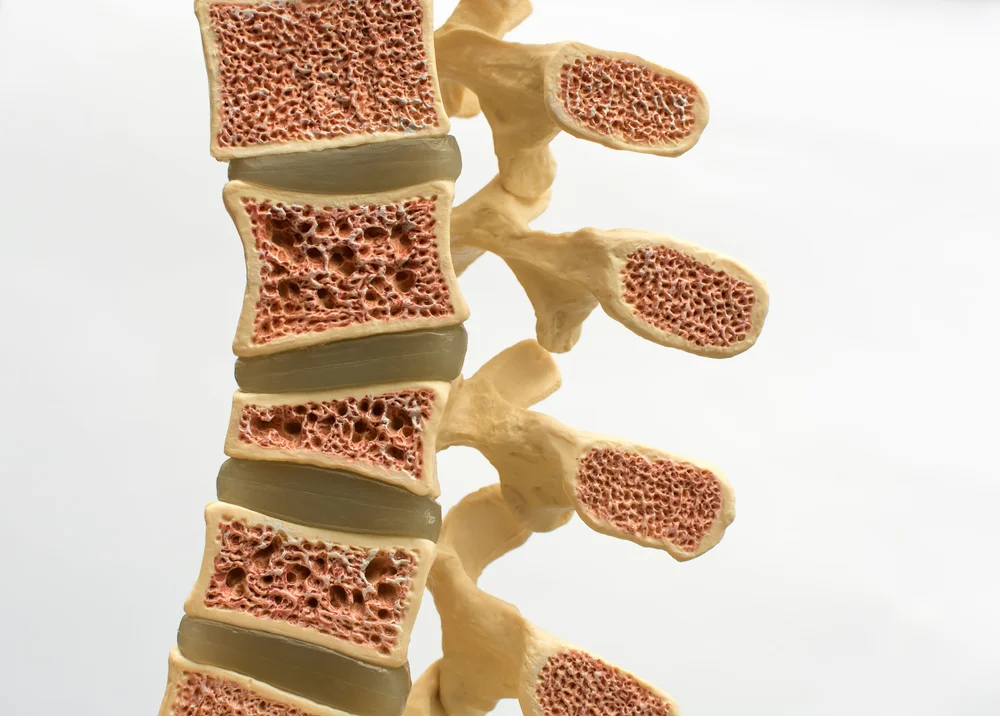
Dr. Hasan is experienced in treating vitamin D deficiency, including resistant deficiency after bariatric surgery or with malabsorption, and in managing vitamin D safely alongside hyperparathyroidism, kidney stones and osteoporosis.
Common questions
Will vitamin D fix my fatigue?
If you are truly deficient, correcting it often improves energy and muscle aches. In people with normal levels, extra vitamin D has not been shown to improve fatigue, mood or immunity, so other causes are investigated.
D2 or D3?
Both work. D3 raises and sustains levels somewhat more effectively, and is preferred for maintenance. Prescription 50,000 IU capsules are usually D2 and are fine for repletion.
Can I get enough from sun or food?
From April to October, 10 to 20 minutes of midday sun on arms and legs several times a week helps. Food sources (fatty fish, fortified milk, eggs) rarely provide more than 400 to 600 IU a day. Most people in Western Pennsylvania need a supplement in winter.
Should I take vitamin K2 with vitamin D?
The evidence that K2 adds benefit is weak. It is not harmful at usual doses, but it is not required.
Related conditions
In Wexford or by telehealth in PA and OH