

Pituitary gland · Hormone control center
The master gland, expertly managed.
The pituitary is a pea-sized gland at the base of the brain that directs the thyroid, adrenals, ovaries and testes, growth and water balance. Pituitary problems are uncommon, their symptoms are subtle, and they are often found by chance on a brain scan. Dr. Hasan is experienced in diagnosing and managing pituitary conditions in adults.
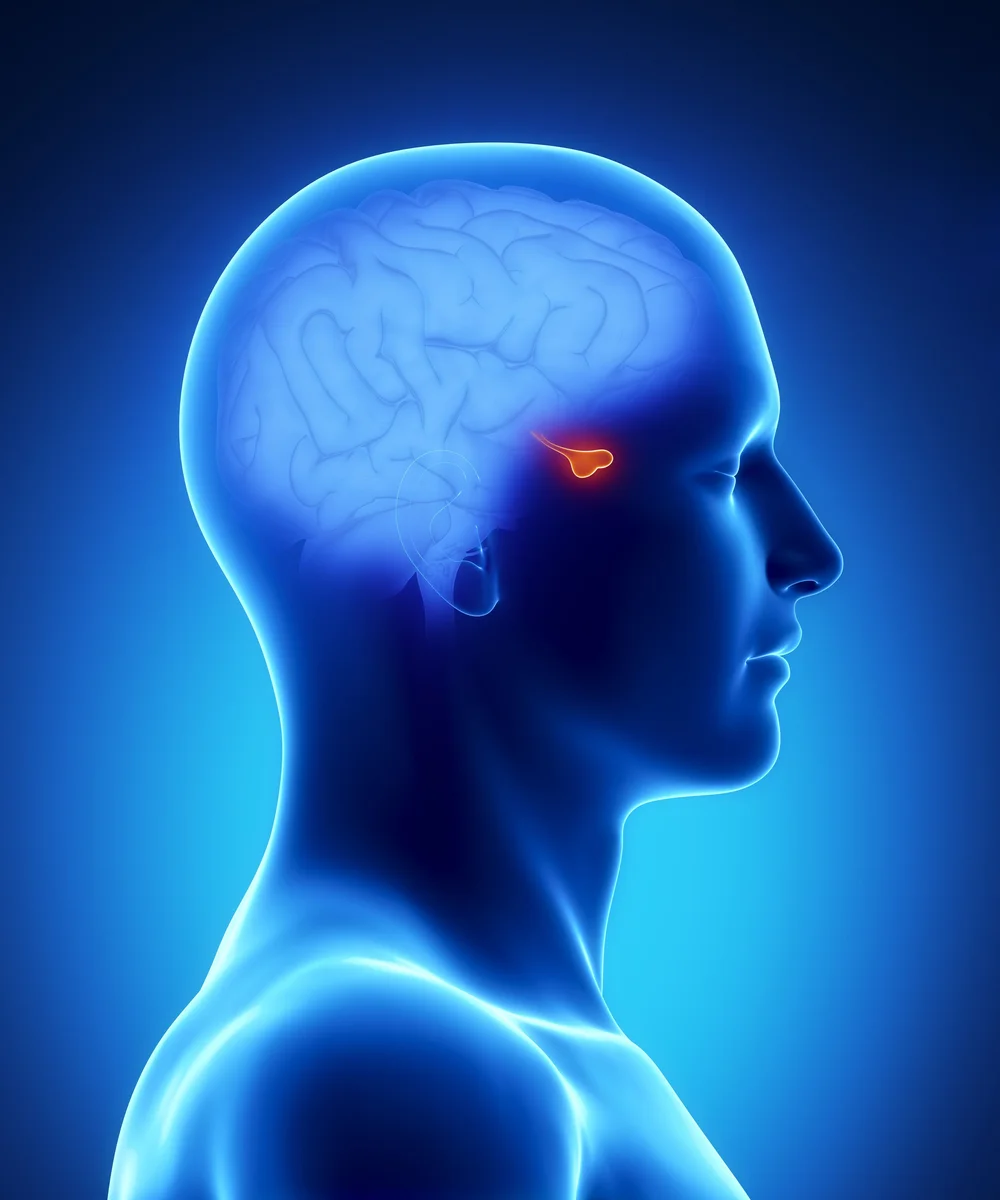
How the pituitary works
The pituitary releases hormones that each control a downstream gland or function. A problem in the pituitary can therefore look like a thyroid, adrenal, reproductive or metabolic problem. The endocrinologist's job is to find the level of the fault.
Six anterior hormones and two posterior hormones (ADH and oxytocin). Testing pairs each pituitary hormone with its target hormone.
Conditions we treat
Pituitary adenoma
A benign tumor, found in up to 1 in 10 people on imaging. Evaluated for hormone excess, hormone deficiency and pressure on the optic nerves.
Hyperprolactinemia
Excess prolactin: irregular or absent periods, milky discharge, low libido, infertility. Usually treated with a tablet, not surgery.
Acromegaly
Excess growth hormone in adults: enlarging hands, feet and facial features, joint pain, sleep apnea, diabetes.
Cushing's disease
An ACTH-producing pituitary tumor drives the adrenals to overproduce cortisol.
Arginine vasopressin deficiency
Formerly diabetes insipidus: large volumes of dilute urine and relentless thirst from a lack of ADH.
Hypopituitarism
Deficiency of one or more pituitary hormones after a tumor, surgery, radiation, head injury or inflammation. Managed with carefully dosed replacement.
Evaluation and care
A pituitary evaluation combines a hormone panel timed and interpreted correctly (for example, morning cortisol, IGF-1, prolactin with dilution when very high, and sex hormones), a dedicated pituitary MRI with contrast, and formal visual field testing when a tumor sits near the optic chiasm. Many pituitary tumors need no surgery; the ones that do are managed together with a pituitary neurosurgeon, with hormone care before and after the operation.
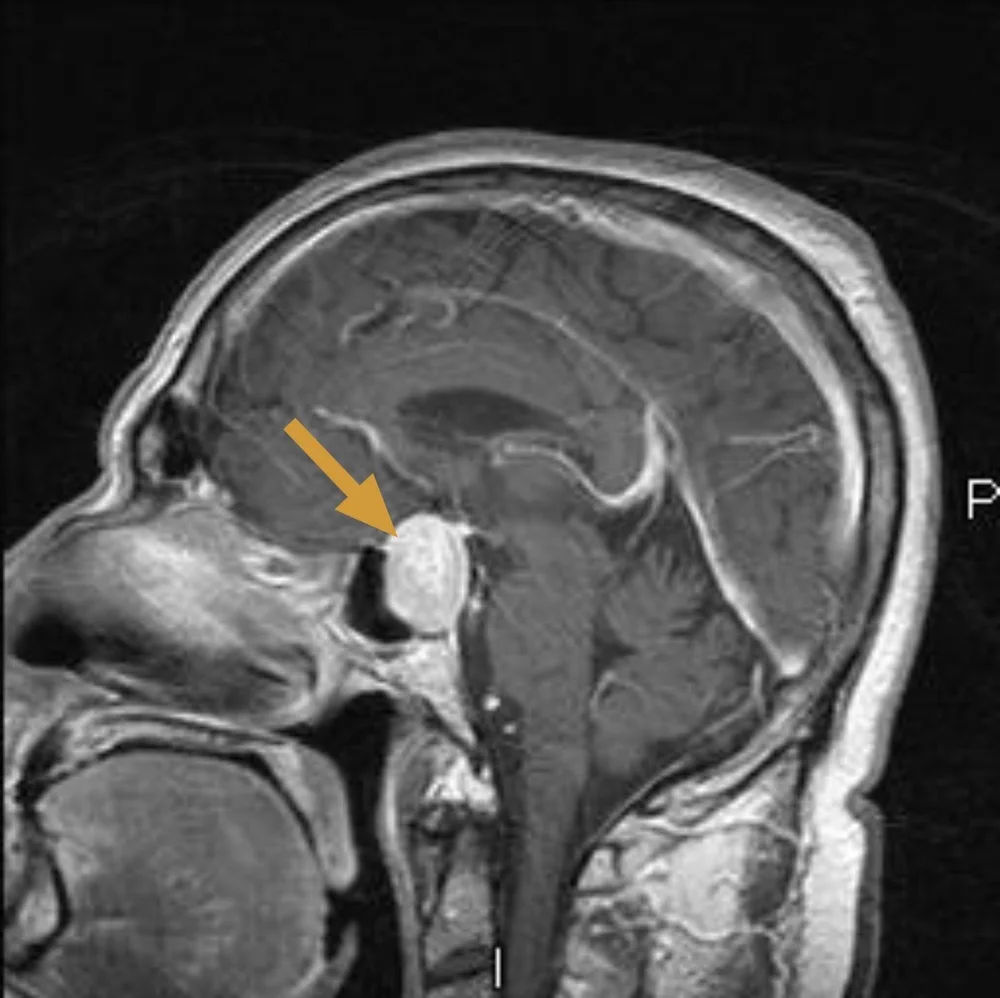
Dr. Hasan is experienced in managing pituitary adenomas, prolactin disorders, acromegaly, hypopituitarism and hormone replacement after pituitary surgery or radiation, working alongside neurosurgery and ophthalmology.
Common questions
My MRI mentioned a small pituitary lesion. Is it serious?
Usually not. Small incidental lesions under 1 cm are common. They are checked once for hormone activity and, if quiet, followed with periodic imaging.
Will I need brain surgery?
Most pituitary conditions are treated with medication or observation. When surgery is needed it is done through the nose by a specialist pituitary surgeon, usually with a short hospital stay.
Can pituitary hormone deficiencies be replaced?
Yes. Thyroid hormone, cortisol, sex hormones, growth hormone and desmopressin can each be replaced and adjusted to restore normal function and energy.
Explore
In Wexford or by telehealth in PA and OH