

Osteoporosis · Osteopenia · Bone density
Strong bones, at every age.
Osteoporosis is silent until a bone breaks. A bone density scan, a short list of blood tests and the right treatment can cut fracture risk by half or more, and the earlier it starts the better.

What osteoporosis is
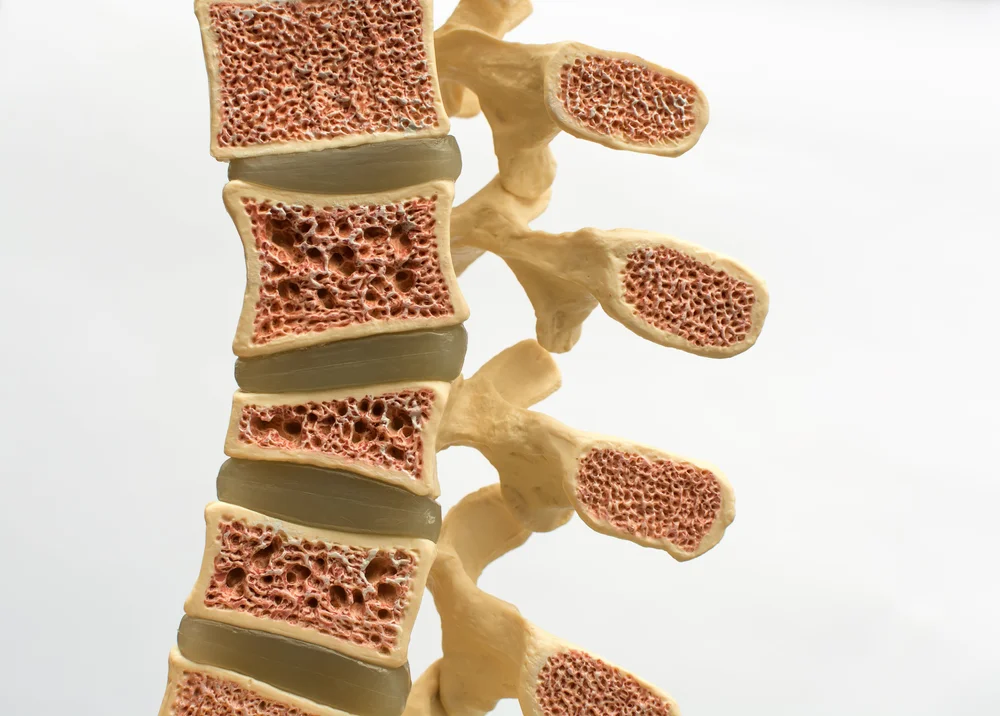
Bone is living tissue that is constantly broken down and rebuilt. After about age 50, and especially after menopause, breakdown outpaces rebuilding. Bones become porous and fragile, and a fall from standing height, or even a cough, can fracture a wrist, spine or hip. About one in two women and one in four men over 50 will break a bone because of osteoporosis.
Who is at risk
Most people feel nothing until a fracture. These are the signs that bone has already been lost, and the risk factors that should prompt a scan sooner.
Signs and risk factors
- 1Loss of height (more than 1.5 inches) or a new stoop
- 2Sudden mid-back pain from a compression fracture
- 3A wrist fracture after a simple fall
- 4Hip fracture: the most serious consequence
- 5Overactive thyroid or parathyroid; long-term steroid use
- 6Early menopause; low testosterone in men
- 7Celiac disease, bariatric surgery or low calcium intake
Diagnosis
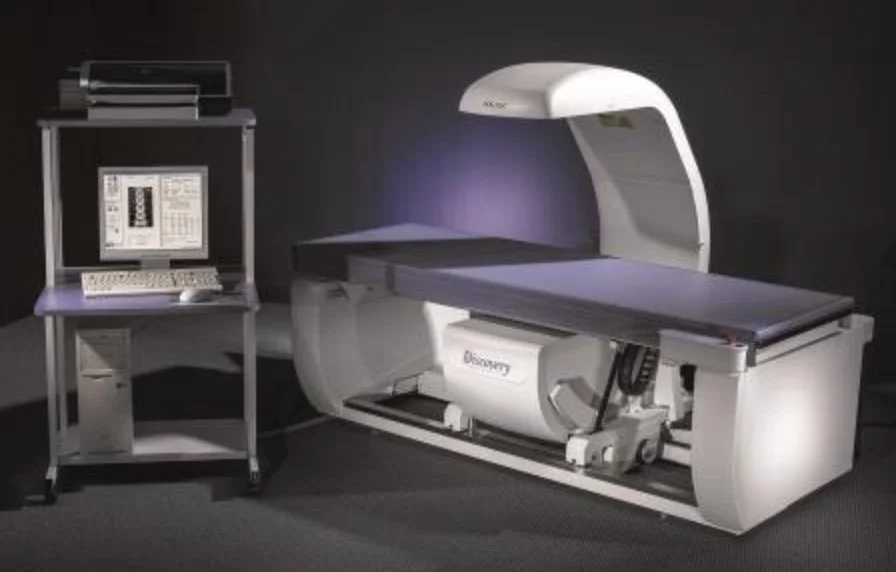
A DXA scan is recommended for all women at 65 and men at 70, and earlier with a fracture, steroid use, early menopause, a parent with a hip fracture or other risk factors. The T-score compares your density to a healthy young adult: −1.0 to −2.5 is osteopenia, −2.5 or lower is osteoporosis. A fragility fracture of the hip or spine is osteoporosis regardless of the score.
Before treatment, blood tests look for causes that are often missed: vitamin D deficiency, hyperparathyroidism, an overactive thyroid, celiac disease, low testosterone, excess cortisol and kidney disease. Treating the cause can be as important as treating the bone.
Treatment
- Foundation: 1,000–1,200 mg of calcium a day, mostly from food; vitamin D to a level of at least 30 ng/mL; weight-bearing and resistance exercise; fall prevention; no smoking and limited alcohol.
- Bisphosphonates (alendronate weekly, or a yearly zoledronic acid infusion) are first-line for most people and cut hip and spine fractures substantially. After 3 to 5 years a planned pause is often appropriate.
- Denosumab, a twice-yearly injection, for those who cannot take bisphosphonates or have kidney disease. It must not be stopped without a transition plan.
- Bone-building medications (teriparatide, abaloparatide, romosozumab) come first for very high risk, such as a recent spine or hip fracture or very low scores, followed by a medication that locks in the gain.
- Menopausal hormone therapy prevents bone loss and is an option for younger postmenopausal women who also have menopausal symptoms.
Dr. Hasan is experienced in diagnosing and treating osteoporosis in women and men, including the search for secondary causes, sequencing of bone-building and antiresorptive therapy, and bone health after bariatric surgery or long-term steroids.
Common questions
Can osteoporosis be reversed?
Bone density improves meaningfully with treatment, and fracture risk falls within the first year. Bone-building medications can move people out of the osteoporosis range.
Are the medications safe?
Serious side effects such as jaw osteonecrosis and atypical femur fractures are rare, roughly 1 in 10,000 to 1 in 100,000 patient-years, compared with a 1 in 2 lifetime risk of an osteoporotic fracture without treatment.
I have osteopenia. Do I need medication?
Not always. The decision uses your FRAX 10-year fracture risk, not the T-score alone. Many people with osteopenia do well with lifestyle measures and a repeat scan in two years.
How often should I repeat the DXA?
Usually every two years on treatment, or sooner after a change in therapy. Stable results may allow longer intervals.
Related conditions
In Wexford or by telehealth in PA and OH