

Men's Hormone Health · Low Testosterone · TRT
Low testosterone, evaluated properly.
Fatigue sleep won't fix. Fading libido. Weight that won't move and a mind a step slower. Each can mean low testosterone — or something behind it. Telling the difference is the work of an endocrinologist.

A low number is a signal, not a diagnosis. Dr. Hasan finds what's behind it, protects your fertility, treats what's actually wrong — and follows you over time. One physician, every visit.
Not a TRT clinic. Not an online "T" app.
Those can mail you testosterone in days — off one lab number, no diagnosis. Testosterone is a hormone, and hormones are an endocrinologist's entire field. The difference:
Chia Endocrinology & Wellness
A board-certified endocrinologist finds the cause, confirms therapy is safe, weighs your fertility — then monitors you over time. Same physician, every visit.
TRT clinics & apps
A quick intake, a prescription off one lab value, rarely the same clinician twice — often not a physician at all. Convenient. Seldom a diagnosis.
Sound familiar?
One symptom is easy to dismiss. Together, they tell a story worth checking.
- Low libido, less interest in sex
- Erectile changes, fewer morning erections
- Fatigue that rest doesn't fix
- Muscle loss despite training
- Belly fat that won't budge
- Low mood, short fuse, no drive
- Brain fog
- Poor sleep
- Thinning bones over time
One low number. Six possible stories.
Weight and insulin resistance lower testosterone, and low testosterone makes weight harder to lose — a loop worth breaking from both ends. Male hypogonadism can also trace to sleep apnea, thyroid disease, elevated prolactin, certain medications, or the testes and pituitary directly.
Diagnosed correctly, in three steps
-
Morning labs, usually repeated
Testosterone peaks early and swings daily — timing matters as much as the number. Ordered after your evaluation.
-
Read in context
Total and free testosterone with LH, FSH, and prolactin to locate the source — plus the thyroid and metabolic markers underneath.
-
A clear answer first
You know why it's low before any therapy begins.
Treatment — and the conversation most clinics skip
When therapy is genuinely warranted, it can restore energy, libido, mood, and muscle — dosed to you and monitored over time.
Fertility first: standard testosterone therapy can suppress sperm production. If children may be in your future, that belongs at the start — and fertility-protecting approaches exist. Dr. Hasan raises it before you begin, not after.

The detail, in plain English
For the men who want the full picture — open what interests you.
What's actually behind a low testosterone number
How the testing is timed and read
Treatment options — including the fertility-preserving ones
Feel like yourself again
A thorough evaluation by a board-certified endocrinologist who finds the cause before writing the prescription.
Also evaluated and treated
The physician
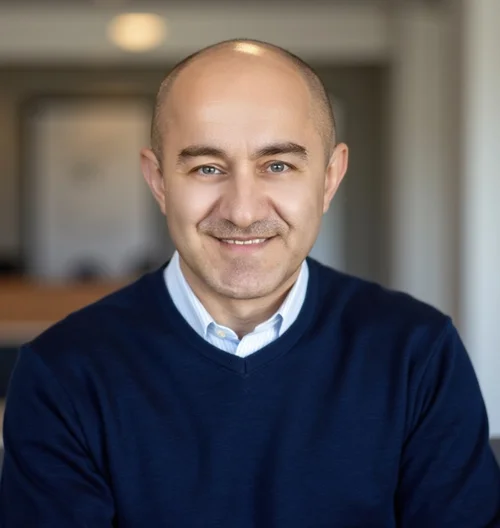
Farhad Hasan, MD, MPH — board certified in Endocrinology, Diabetes & Metabolism and in Internal Medicine; Harvard MPH as a Fulbright Scholar; fellowship trained at the University of Virginia. In person in Wexford, or by telehealth across Pennsylvania and Ohio. Verify board certification.
Common questions
How is low testosterone diagnosed?
Will testosterone therapy affect my fertility?
Can low testosterone cause erectile dysfunction?
Is testosterone therapy safe?
Can low testosterone be treated by telehealth?
How is this different from a TRT clinic or online service?
Do you take insurance?
Want to talk it through first? A complimentary 15-minute phone call with Dr. Hasan is available — schedule it here.