

Underactive thyroid · Levothyroxine · TSH
Hypothyroidism, finally dialed in.
An underactive thyroid slows everything: energy, metabolism, mood, digestion and heart rate. It is common, especially in women over 40, and very treatable, but many people are left on a dose that is close enough rather than right. Dr. Hasan is experienced in diagnosing hypothyroidism and fine-tuning treatment until you feel well, not just until the lab is in range.

Causes and symptoms
In the United States the leading cause is Hashimoto's thyroiditis, an autoimmune process that slowly damages the gland. Other causes include thyroid surgery, radioactive iodine, radiation to the neck, medications such as lithium and amiodarone, and, less often, pituitary disease. Iodine deficiency is rare in Western Pennsylvania.
Symptoms of an underactive thyroid
- 1Fatigue, brain fog, low mood, sluggish thinking
- 2Hair thinning; dry skin; brittle nails
- 3Goiter or a feeling of neck fullness
- 4Slow heart rate; raised LDL cholesterol
- 5Weight gain, constipation, fluid retention
- 6Heavy or irregular periods; difficulty conceiving
- 7Cold intolerance; carpal tunnel; muscle cramps
Subclinical hypothyroidism means a high TSH with a normal free T4. Whether to treat depends on the TSH level, symptoms, antibodies, age and pregnancy plans.
Treatment that is tuned, not approximate
Levothyroxine, a synthetic form of T4, is the standard treatment and restores normal thyroid function for the great majority of people. Getting it right involves more than a prescription:
- Dose by weight and need, then adjust every 6 to 8 weeks until TSH sits in the right part of the range for you, often the lower half for people who still feel slowed.
- Take it correctly: on an empty stomach, 30 to 60 minutes before breakfast or at bedtime, and at least 4 hours apart from calcium, iron, antacids and soy, which block absorption.
- Brand consistency matters; switching between manufacturers can shift levels.
- Combination therapy (adding liothyronine, T3) is considered for people who remain symptomatic despite a normal TSH on levothyroxine, following the current American and European thyroid association guidance.
- Desiccated thyroid is not recommended as first-line therapy because its T3 content is high and variable, but patients already stable on it are supported with careful monitoring.
- Pregnancy: requirements rise by 25 to 50 percent early in pregnancy; TSH is checked every 4 weeks in the first half.
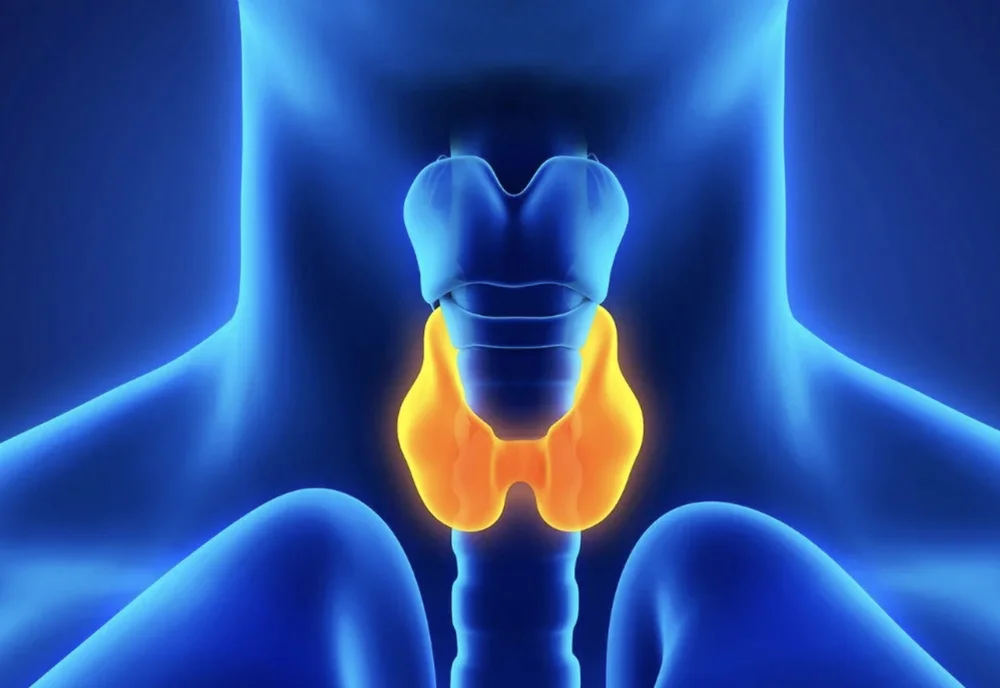
Dr. Hasan is experienced in managing hypothyroidism, including persistent symptoms on levothyroxine, combination T4/T3 therapy, thyroid care in pregnancy, and hypothyroidism after thyroid surgery or radioactive iodine.
Common questions
My TSH is normal but I still feel hypothyroid. What next?
First, confirm timing of the dose and the lab, absorption issues, and where in the range TSH sits. Then look for other causes of fatigue: iron, B12, vitamin D, sleep apnea, depression, menopause, low testosterone or adrenal problems. Combination therapy is an option for some.
Will I need medication forever?
Usually, if the cause is Hashimoto's or surgery. Hypothyroidism after thyroiditis or from certain medications can recover, so a supervised dose reduction is sometimes possible.
Does hypothyroidism cause weight gain?
Modest gain, typically 5 to 10 pounds, much of it fluid. Treatment helps, but larger weight changes usually have additional causes worth addressing.
Can diet or supplements fix my thyroid?
No diet replaces thyroid hormone. Selenium and iodine supplements can do harm in excess. A balanced diet and attention to absorption timing are what matter.
Related conditions
In Wexford or by telehealth in PA and OH