

Glucocorticoid-induced hyperglycemia · Post-transplant diabetes
Steroids raised your sugar? Here is how we manage it.
Prednisone, dexamethasone and other glucocorticoids are life-changing for asthma, autoimmune disease, cancer treatment and organ transplants. They also raise blood sugar in a distinctive, afternoon-heavy pattern that standard diabetes plans miss. Dr. Hasan is experienced in managing steroid-induced and post-transplant diabetes alongside your prescribing specialists.
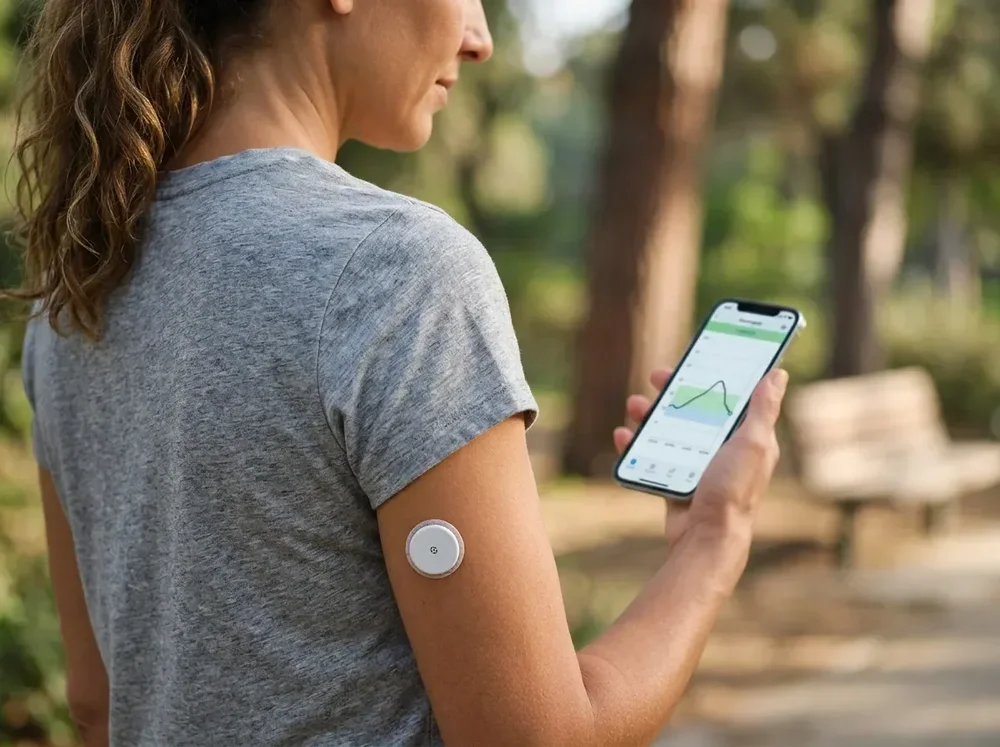
Why steroids raise glucose, and when
Glucocorticoids make the liver release more glucose and make muscle and fat less responsive to insulin. With a single morning dose of prednisone, glucose rises after lunch, peaks in the late afternoon and often returns to normal overnight, so a fasting glucose or even an A1c can look deceptively fine. Up to half of people on moderate-dose steroids develop hyperglycemia, and the risk is higher with pre-existing prediabetes, obesity, older age and higher doses.
Dexamethasone and divided-dose steroids last longer and raise glucose around the clock.
Managing it well
- Monitor at the right time: pre-lunch, pre-dinner and bedtime readings, or a CGM, rather than fasting checks alone.
- Match the medication to the pattern: for once-daily prednisone, a morning dose of NPH insulin peaks when the steroid does; metformin, DPP-4 inhibitors, SGLT2 inhibitors or GLP-1 therapy help with milder or longer-term elevation.
- Scale with the steroid: insulin needs rise and fall with the steroid dose. A written plan for tapers prevents hypoglycemia as doses come down.
- Post-transplant diabetes: tacrolimus and steroids together commonly cause diabetes after kidney, liver or heart transplant. Management is coordinated with the transplant team, choosing agents safe for the graft and for kidney function.
- Treat the whole picture: blood pressure, lipids, weight and bone health all shift on steroids and are addressed in the same plan.
What to watch on long-term steroids
- 1Central weight gain and rising glucose
- 2Facial fullness; mood and sleep changes
- 3Higher blood pressure and LDL cholesterol
- 4Bone loss; fracture risk rises within months
- 5Cataracts and raised eye pressure
- 6Suppressed adrenal glands: never stop abruptly
Dr. Hasan is experienced in steroid-induced hyperglycemia during chemotherapy, rheumatologic and pulmonary treatment, post-transplant diabetes, and the safe tapering of long-term steroids with recovery of adrenal function.
Common questions
Will my diabetes go away when the steroids stop?
Often, yes, if glucose was normal before. People with prior prediabetes may remain diabetic. Either way, medication is reduced in step with the steroid taper and reassessed afterward.
Should I avoid steroids because of my diabetes?
No. The condition being treated usually matters more. The goal is to anticipate the glucose effect and manage it, not to withhold needed treatment.
Can I use a CGM?
Yes, and it is especially helpful here because the pattern is time-of-day specific and changes with each dose adjustment.
How is post-transplant diabetes different?
It combines steroid effects with calcineurin inhibitors that reduce insulin secretion, and medication choices must respect kidney function and drug interactions. It is managed with the transplant team.
Related conditions
In Wexford or by telehealth in PA and OH