


The ads are everywhere: tired, low drive, gaining belly fat? A quick blood test, a monthly fee, and a vial of testosterone shipped to your door. For some men, that is the beginning of a real fix. For many others, it is an expensive detour that misses the actual problem and can quietly shut down fertility.
Low testosterone is real, common and treatable. But it is a diagnosis, not a vibe, and getting it right takes more than one number on one morning.
What low testosterone actually feels like
The classic symptoms are low sex drive, fewer morning erections and erectile dysfunction. Others are less specific: fatigue, low mood, poor concentration, loss of muscle, more body fat and thinning bones.
The problem is that every one of those symptoms has other causes. Poor sleep, sleep apnea, depression, heavy drinking, thyroid disease, diabetes and a few common medications can produce the same picture. That is why symptoms alone are never enough.
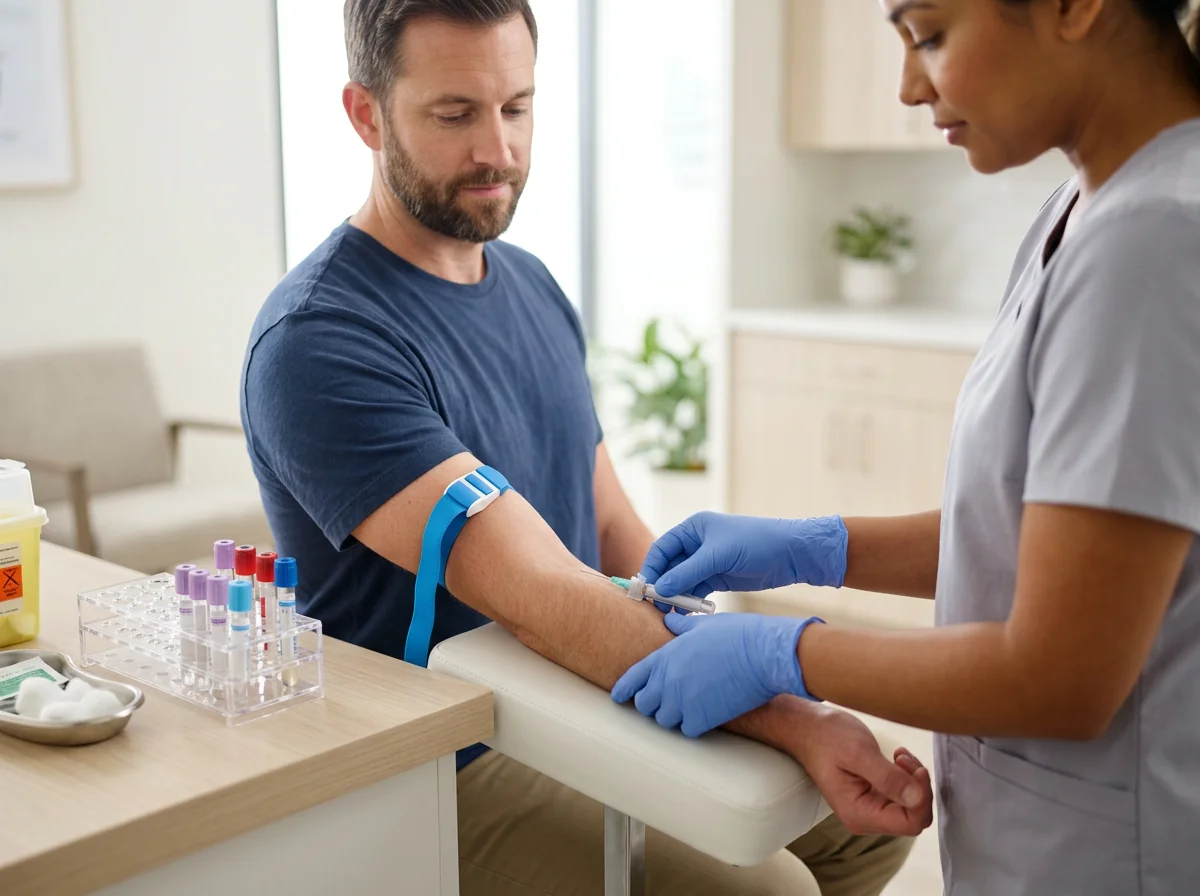
How low T should be diagnosed
The Endocrine Society's guidance is clear, and it is what I follow:
Test in the morning, fasting. Testosterone peaks early and drops through the day. A 4 p.m. test can look low in a perfectly normal man.
Confirm it. One low result is not a diagnosis. Testosterone has to be low on at least two separate mornings, along with symptoms.
Check the right companion tests. LH and FSH, the pituitary hormones that tell the testes what to do, show whether the problem starts in the testes or in the brain. Prolactin, a blood count and sometimes iron studies and free testosterone complete the picture.
Look for the cause. Obesity, untreated sleep apnea, opioids, steroids and pituitary conditions can all lower testosterone. When the brain's signal is low, a pituitary problem must be ruled out, sometimes with an MRI.
This step is where a hormone specialist earns their keep. Treating the cause can sometimes restore testosterone without a lifetime of injections.
The fertility question no one asks
Testosterone from outside the body tells the brain to stop sending signals to the testes. The result: sperm production drops, often to zero.
For a 55-year-old done having children, that may not matter. For a 32-year-old who wants kids in a few years, it matters enormously. There are fertility-sparing options that raise the body's own testosterone instead of replacing it. Any doctor prescribing testosterone to a younger man should have this conversation before the first dose.
Red flags at a testosterone clinic
Treatment started after a single blood test, or a test drawn in the afternoon
No LH, FSH or prolactin checked
No conversation about fertility
Testosterone levels pushed well above the normal range
No follow-up plan for blood counts, PSA (in men of screening age) and symptoms
Add-on products sold as part of the package
If you recognize your own experience in that list, it is worth a second opinion. I see many men who come to me after a clinic visit with high blood counts, shrinking testes or a pituitary problem no one looked for. More on that here.
When testosterone therapy makes sense
When low testosterone is confirmed and the cause is understood, treatment can help sex drive, energy, mood, muscle and bone. Injections, gels and other forms each have trade-offs in cost, convenience and how steady the levels stay. The right choice depends on your goals, your fertility plans and your other health conditions.
Therapy also needs monitoring: testosterone levels, blood count (testosterone can thicken the blood) and, in men of screening age, prostate checks. Done well, it is safe and effective. Done carelessly, it is neither.
Getting tested the right way near Pittsburgh
At Chia Endocrinology & Wellness in Wexford, I evaluate men for low testosterone the way the guidelines intend: proper morning testing, a search for the cause and an honest conversation about fertility, benefits and risks. I am a board-certified endocrinologist and former co-director of a pituitary clinic, so the less obvious causes do not get missed.
I see men in person in Wexford and by secure video across Pennsylvania and Ohio.
Book an initial consultation, or read more about men's health and low testosterone and low libido.
This article is for general education and is not a substitute for personal medical advice.
