

Insulin pump management in Pittsburgh, by an endocrinologist
A modern insulin pump is only as good as its settings. Dr. Farhad Hasan, MD, MPH, a board-certified endocrinologist, starts, fine-tunes, and troubleshoots insulin pumps and automated insulin delivery (AID) systems for adults with type 1 and type 2 diabetes — in person in Wexford, PA and by telehealth across Pennsylvania and Ohio.

Why pump users need a specialist, not just a prescription
Most people are handed a pump, trained once, and then left to live with factory-default settings for years. The result is predictable: alarms at 3 a.m., stubborn post-meal spikes, unexplained lows after exercise, and an A1c that never quite moves. The hardware is excellent. What is usually missing is an expert who reads your data and adjusts the system to your physiology.
Automated insulin delivery has changed diabetes care. Hybrid closed-loop systems raise time in range and cut overnight lows — but the algorithm can only work within the boundaries you give it. Basal rates, carb ratios, correction factors, active insulin time, and target settings still decide whether a system thrives or struggles. That is where Dr. Hasan focuses.
Targets from the International Consensus on Time in Range. Goals are individualized — for example, older adults and pregnancy have different targets.
Our insulin pump services
Pump candidacy & choosing a device
An honest, brand-neutral discussion of which pump and CGM pairing fits your lifestyle, insurance, and goals — tubed or tubeless, phone control, and how much automation you want.
Starting a pump (MDI to pump)
Calculating your initial basal, carb ratio, and correction settings from your injection history, then close follow-up during the first weeks — when most problems surface.
Automated insulin delivery tuning
Optimizing hybrid closed-loop systems so the algorithm works for you: targets, activity and sleep modes, meal strategy, and when (and when not) to override.
Data review & settings optimization
Line-by-line review of your pump and CGM reports to find patterns — dawn phenomenon, late-meal highs, exercise lows — and change the right setting, not every setting.
Troubleshooting
Occlusions, failed infusion sites, scar tissue (lipohypertrophy), unexplained highs, sensor problems, and frequent alarms — solved systematically.
Sick days, travel, surgery & exercise
Written plans for illness and ketone management, time-zone travel, procedures and hospital stays, and training or endurance sport.
Pregnancy planning
Tight pre-conception and pregnancy glucose targets with pump and CGM support, coordinated with your obstetric team.
Paperwork that gets you covered
Letters of medical necessity, prior authorizations, and supply prescriptions handled by the doctor who knows your case.
Pumps and systems we manage
Dr. Hasan works with the major insulin pumps and automated insulin delivery systems used in the United States, along with the continuous glucose monitors that drive them.
| System type | Examples | Good fit for |
|---|---|---|
| Tubed AID pumps | Tandem t:slim X2 & Mobi (Control-IQ+), Medtronic MiniMed 780G (SmartGuard) | People who want fine control, many settings, and a durable device |
| Tubeless patch pumps | Omnipod 5 | Active lifestyles, swimmers, and those who dislike tubing |
| Simplified-dosing systems | iLet Bionic Pancreas, twiist | People who prefer fewer settings and less carb counting |
| Connected CGMs | Dexcom G7, FreeStyle Libre 3 Plus, Simplera Sync, Eversense | Real-time glucose data that powers automation |
Product names are trademarks of their respective owners. Device compatibility and insurance coverage vary; we will review your options with you.
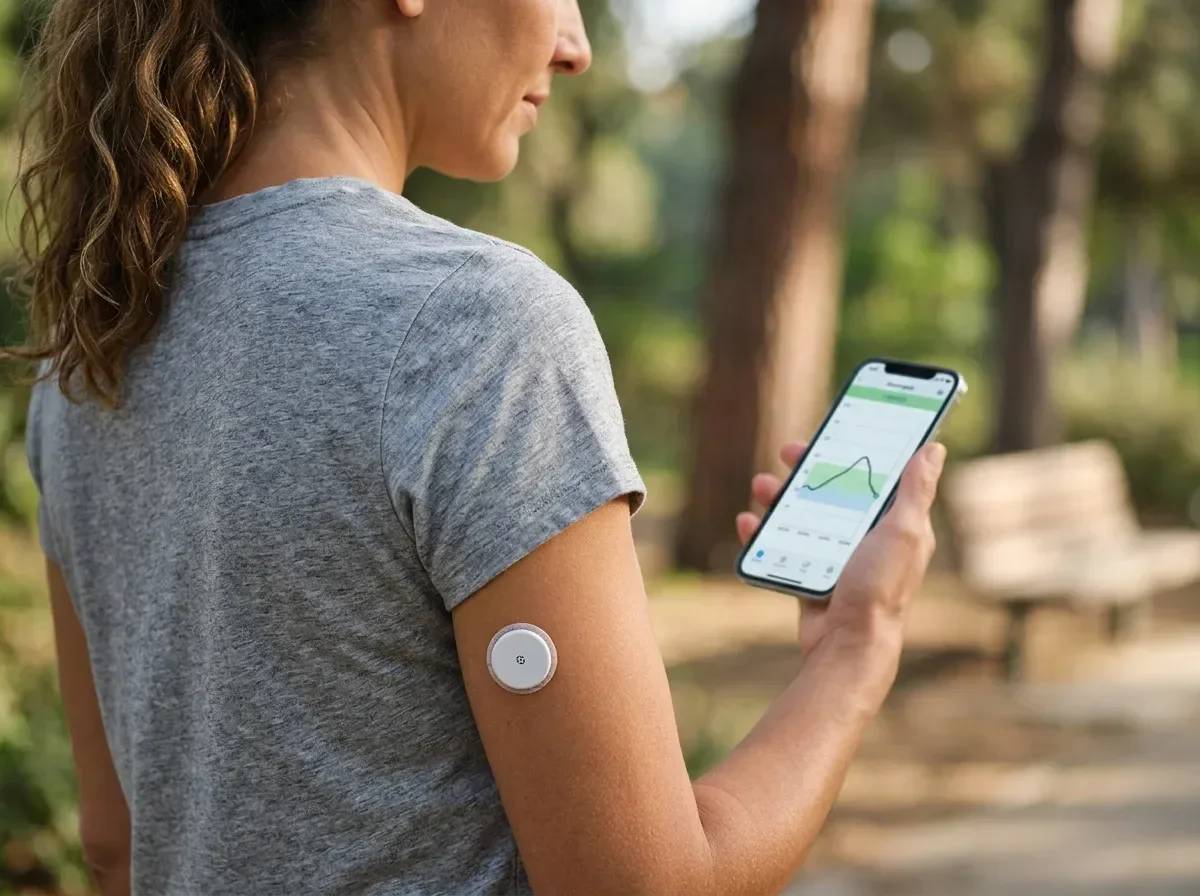
Insulin pumps for type 1 and type 2 diabetes
Type 1 diabetes
For most adults with type 1 diabetes, an automated insulin delivery system is now the most effective way to raise time in range while lowering the risk of severe hypoglycemia. Dr. Hasan also helps young adults moving from pediatric to adult diabetes care keep their technology working through the transition.
Type 2 diabetes
Pump therapy is no longer only for type 1. Several AID systems are now FDA-cleared for adults with type 2 diabetes who use insulin. For people on multiple daily injections who still struggle with highs and lows, a pump can simplify life — and pairing it with GLP-1 or dual-agonist therapy often lowers total insulin needs.
What to expect at your pump visit
- Share your data before the visit. We help you link your pump and CGM cloud accounts so Dr. Hasan can review two to four weeks of data in advance.
- A focused, detailed review. Patterns, settings, infusion sites, meals, activity, and your goals — with the physician himself, not a rotating team.
- Specific changes, in writing. You leave with exact setting changes and the reasoning behind them.
- Follow-up that matches the pace of change. Quick check-ins after adjustments, by secure message or telehealth, so problems do not wait months.
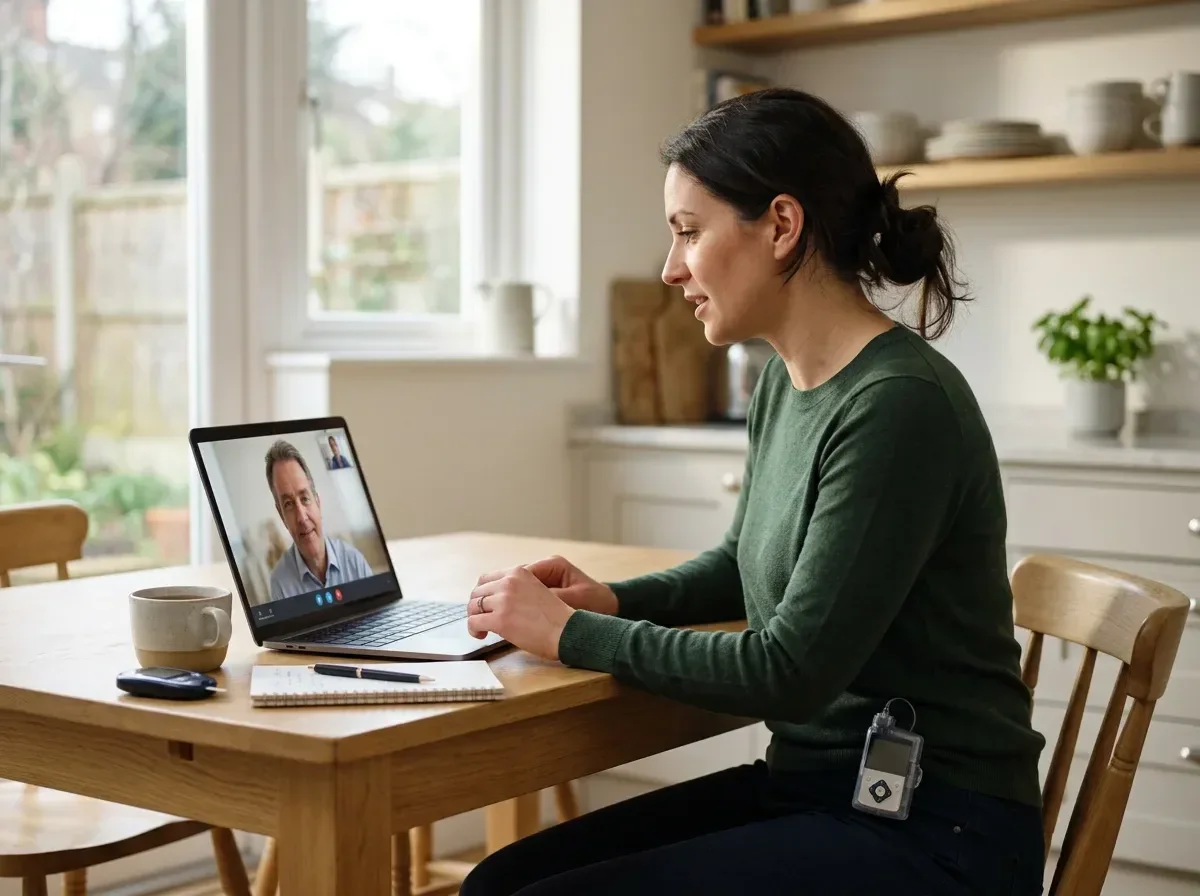
Serving Greater Pittsburgh — and beyond
Our office is at 1000 Brooktree Rd, Suite 209, Wexford, PA 15090, convenient to Cranberry Township, Sewickley, the North Hills, Pittsburgh, Butler County, and Beaver County. Because pump and CGM data live in the cloud, many follow-up visits work perfectly by video — see our Pennsylvania telehealth and Ohio telehealth pages.
As a direct-care practice, Chia Endocrinology & Wellness keeps a small panel so every patient gets longer visits, faster responses, and direct access to their endocrinologist.
Make your pump work as hard as you do
Whether you are considering your first pump or want more from the one you have, book a visit with Dr. Hasan.
Insulin pump questions, answered
Do I need an endocrinologist to manage my insulin pump?
Not legally, but it helps. Pump settings require regular adjustment as weight, activity, hormones, and medications change. An endocrinologist who reviews your device data can make precise changes that improve time in range and reduce lows.
Can people with type 2 diabetes use an insulin pump?
Yes. Several automated insulin delivery systems are FDA-cleared for adults with type 2 diabetes who use insulin. Coverage depends on your plan; we help with documentation.
Which insulin pump is best?
There is no single best pump. The right choice depends on whether you prefer tubing or a patch, how much you want to customize, your CGM, phone compatibility, and insurance. Dr. Hasan gives brand-neutral advice.
How often should pump settings be reviewed?
Every two to four weeks after starting a pump or making major changes, then typically every three months once stable — sooner with pregnancy, illness, weight change, or new medications.
Can my pump visit be done by telehealth?
Yes. Most pumps and CGMs upload to cloud platforms, so follow-up visits work well by video for patients in Pennsylvania and Ohio. Starting a new pump or troubleshooting sites may be best in person in Wexford.
Do you help with insurance approval for a pump?
Yes. We prepare letters of medical necessity and prior authorizations, and prescribe pump and CGM supplies.
Related diabetes care
This page is for general education and is not medical advice. Do not change insulin settings without guidance from your doctor. For a medical emergency, call 911.